Tretinoin and Clindamycin Online Prescriptions Ranked by Out-of-Pocket Cost
Telehealth tretinoin and clindamycin prescriptions range widely in cost.
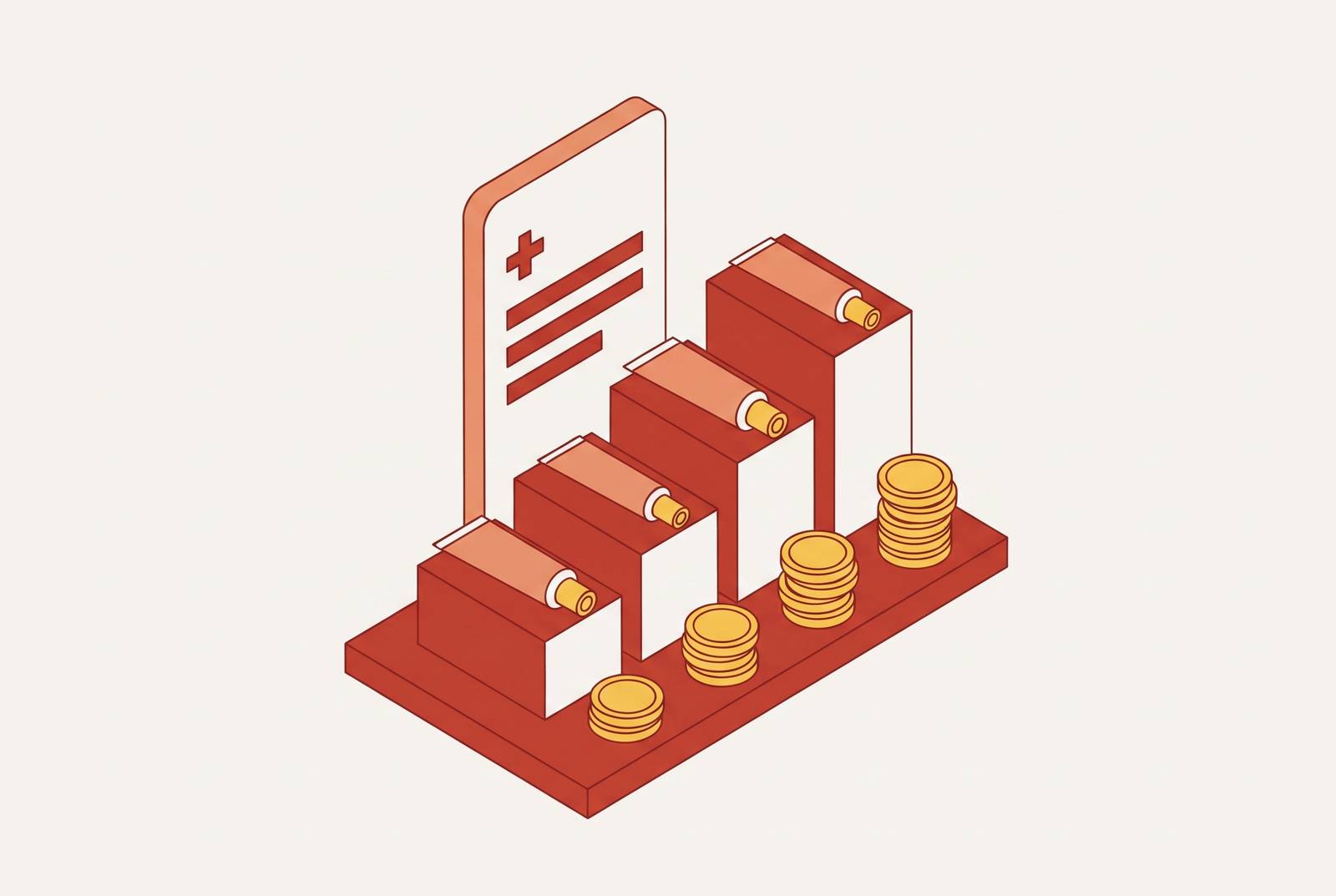
Getting tretinoin and clindamycin prescribed online can cost under $30 or substantially more, depending on the consultation, pharmacy and formulation. A low-cost consultation paired with affordable generic prescriptions can cost less than the subscription with the lowest advertised price. An online evaluation usually takes one to three days, so patients can get acne care through telehealth without joining a dermatologist waitlist.
Why tretinoin and clindamycin are prescribed together, not separately
Several things happen at once in acne, including plugged follicles, bacterial growth, inflammation and changes in oil production. One drug does not address them all. Tretinoin regulates cell turnover and helps prevent the micro-comedone, the early blockage from which acne develops. It does not directly kill Cutibacterium acnes. Clindamycin acts on bacterial protein synthesis, which lowers the bacterial load and eases the inflammation that comes with inflammatory lesions.
The combination therefore has a clinical rationale, but it is not the right choice for every acne pattern. EuroGuiDerm’s 2025 acne guideline found that fixed clindamycin/tretinoin showed comparable efficacy and safety to fixed benzoyl peroxide/clindamycin, while antibiotic resistance concerns limited its recommendation strength. The Kakpovbia et al. 2025 systematic review found that combinations containing a retinoid or topical antibiotic with benzoyl peroxide were the most effective topical treatments for mild-to-moderate inflammatory acne. Once a provider has chosen tretinoin and clindamycin, though, patients choosing where to get care are mostly comparing what it costs to get the same regimen.
The three cost layers every patient pays, regardless of which route they use
The simplest way to work out the cost is consultation + pharmacy + formulation = your real total. These are three layers of the bill that may be bundled into fewer charges. The consultation pays for a provider to check symptoms, look at photos or hold a video visit, and decide whether to write a prescription. It may be a one-time charge or part of a subscription. A bundled fee still belongs in the comparison.
The pharmacy layer is the cost of filling the prescription. That can change depending on whether the patient uses insurance, a retail pharmacy with a GoodRx coupon, or the platform’s dispensing service. Generic topical clindamycin gel or solution is inexpensive at retail pharmacies. The pharmacy a patient chooses can change which service costs less, even when two services charge about the same for a consultation. An HSA/FSA card is another payment option.
Formulation determines what the pharmacy actually supplies. Two separate generic prescriptions differ from a custom compounded tube containing tretinoin, clindamycin and potentially other active ingredients. Compounded formulas are prepared for individual patients in state-licensed pharmacies, but regulatory approval of the ingredients does not mean the blended formula has regulatory approval. Brand-name combination products such as ZIANA cost significantly more than separately dispensed generics. The useful comparison is the cost of the complete regimen.
How asynchronous telehealth actually works before any prescription is written
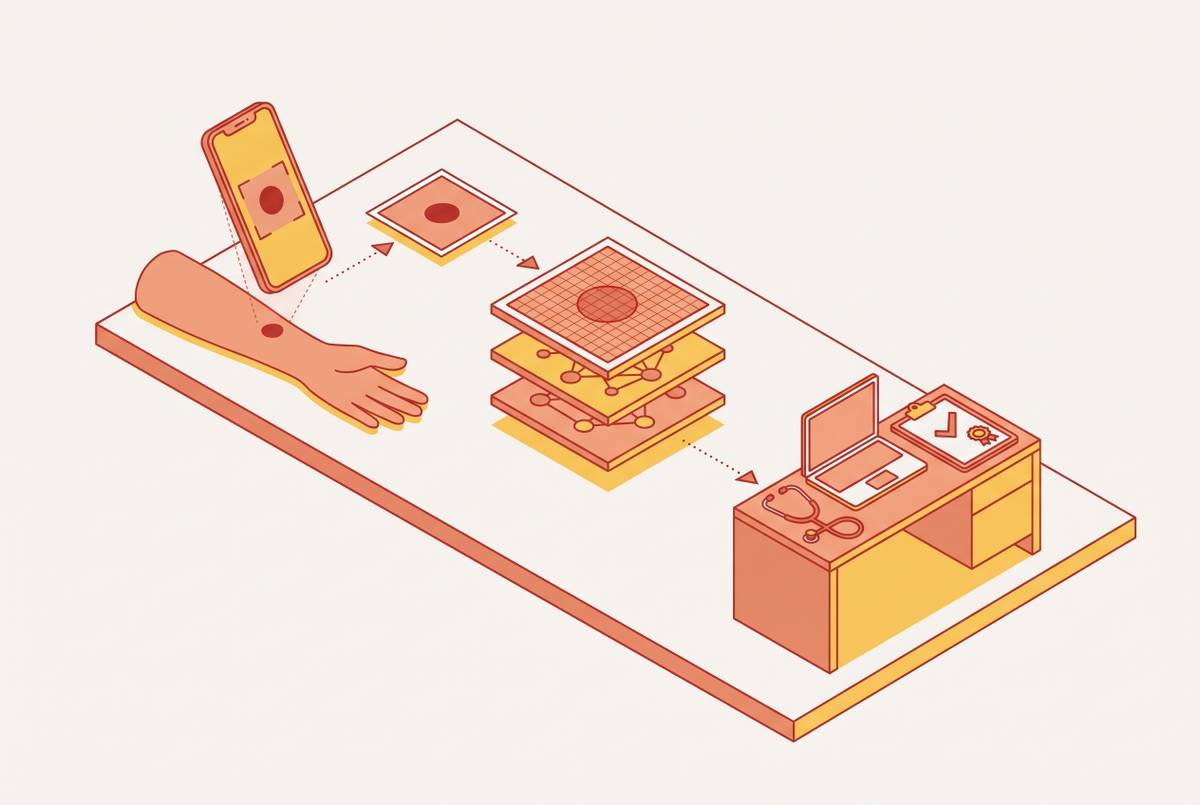
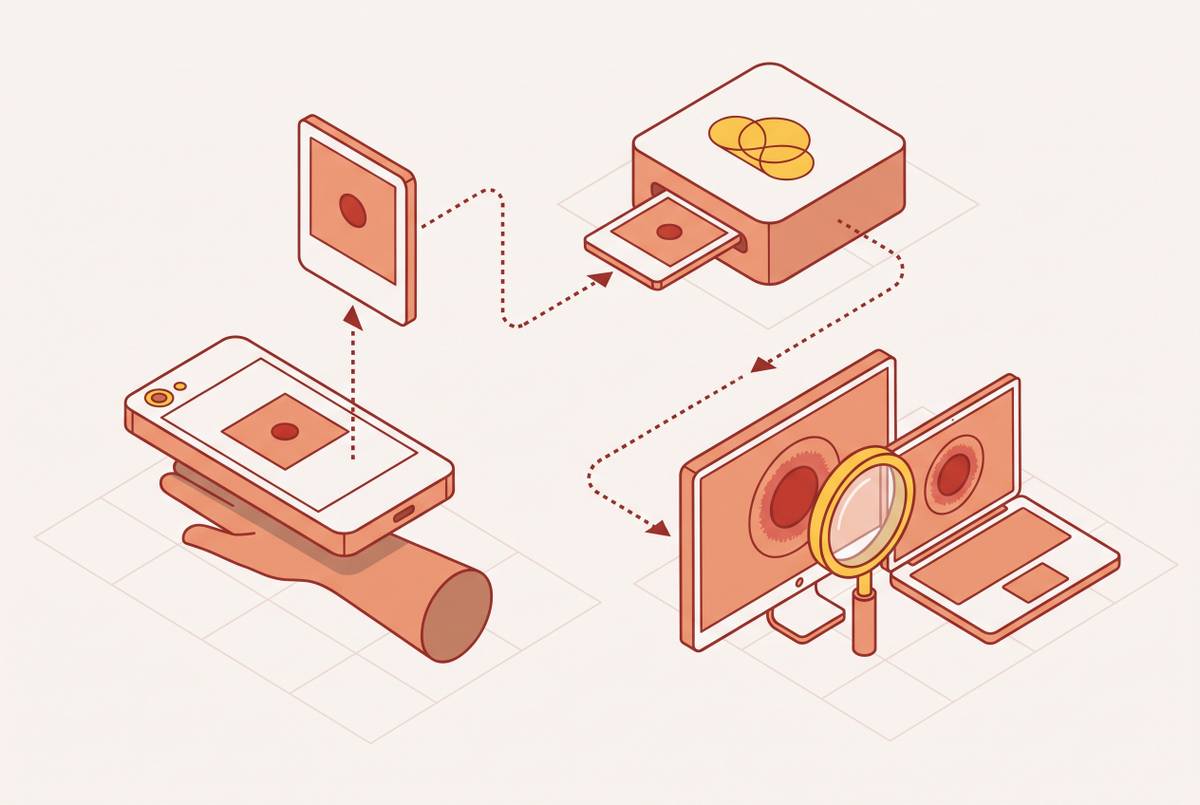
Asynchronous care lets a provider look over a patient’s information without a live appointment. The process starts with a medical questionnaire covering skin concerns, current medications, allergies and pregnancy status. Pregnancy screening is essential because topical retinoids are generally avoided during pregnancy. The patient then uploads clear photos of the affected area. Some services use a short video visit instead to see whether the treatment suits the patient’s skin and goals.
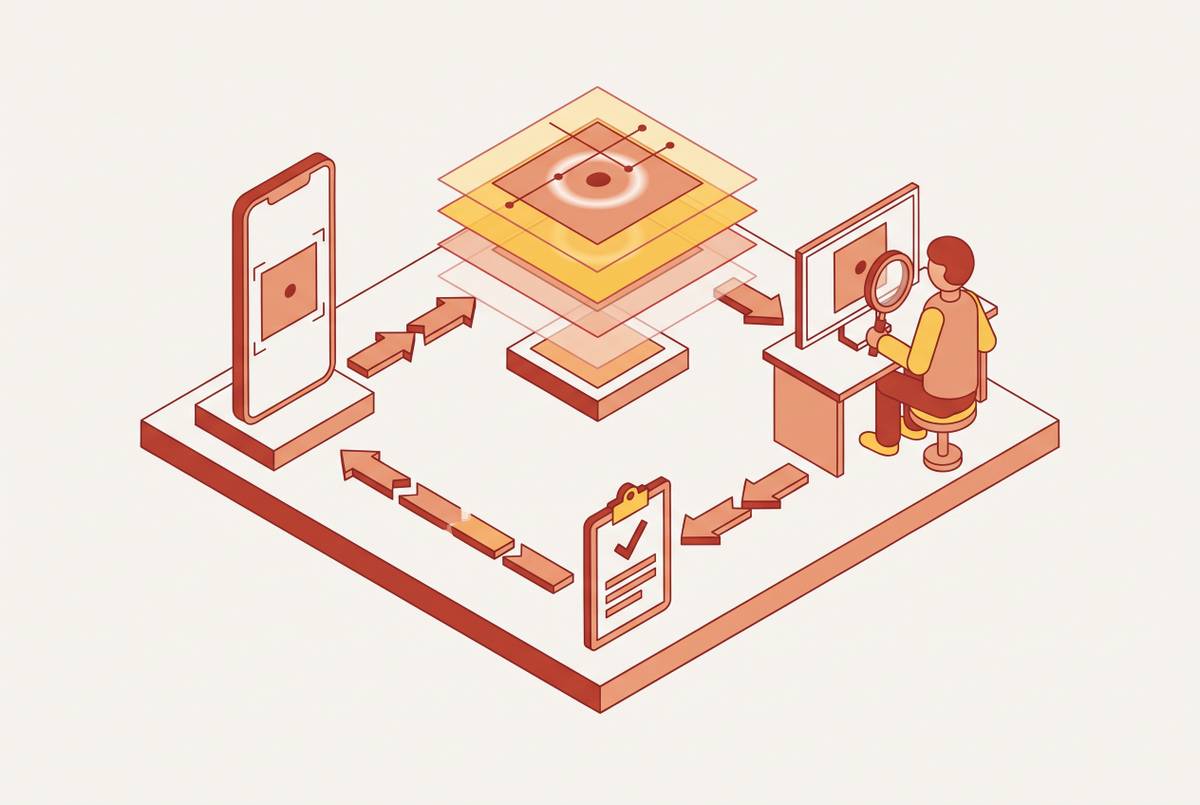
A licensed provider evaluates that information before deciding whether to prescribe. Approval is not automatic. If treatment is appropriate, the prescription goes to the platform’s affiliated pharmacy or the patient’s chosen pharmacy. The intake-to-prescription cycle typically takes one to three days, with same-day evaluation common on many platforms. Dispensing follows, with shipping from a licensed U.S. pharmacy where applicable and provider follow-up available to adjust treatment if irritation develops.
That timeline applies specifically to prescription access. A legitimate service includes medical intake, pregnancy screening, provider review and a way to contact a licensed clinician. Missing those steps, or offering implausibly cheap medication shipped from overseas, is a warning sign. Tretinoin remains prescription-only in the United States at every concentration. Because the basic four-step process is the same, patients can compare prices, who reviews their case and which pharmacies they can use, without assuming that a fancier website means better care.
What are the cheapest online routes for a first month on a tight budget?
An affordable first month is achievable at the low-cost end, but a starting medication price does not establish the total for both prescriptions. The consultation must be counted too. RedBox Rx charges for its online consultation separately from medication and offers low-priced generic tretinoin cream as well as clindamycin products. Its model uses Hy-Vee’s mail-order pharmacy to control dispensing costs. The consultation makes the first month more expensive than later months, while the separate-fee structure can offer savings over bundled subscriptions over time.
Sesame Care offers a different route to savings. It controls the consultation price while leaving patients to optimize the pharmacy cost independently. Patients whose insurance helps pay for prescriptions or who have a GoodRx discount may pay less in total this way. The demonstrated distinction is limited to pharmacy flexibility. A cheap visit is valuable only if the resulting prescriptions are also affordable to fill.
Patients need the consultation charge and the dispensing price for both prescribed medications, including any supply commitment. A three-month supply also creates a distinction between the average monthly cost and the amount due upfront. Both figures deserve attention.
The mid-range tier: monthly subscription platforms with bundled consultations
Subscription platforms in the mid-range price tier tie the consultation and treatment more closely together. That can simplify payment, but it makes the headline price less revealing. Does the amount cover the clinical review, the medication, or both? Is the first payment refundable if treatment is not prescribed? The total should count the consultation once if it is bundled and include any separate intake charge.
Some services use non-refundable charges or minimum commitments that make the initial obligation larger than the advertised monthly amount suggests. Refund terms need their own reading. A policy covering medication does not by itself establish that the clinical evaluation is refundable. Where a service does not clearly separate those terms, the first-month total remains uncertain until the patient knows what is charged and what can be returned.
A compounded all-in-one formula simplifies the routine by putting tretinoin and clindamycin in one tube, sometimes with additional active ingredients. Two separate generics give patients and their providers more control over each ingredient’s concentration. They also preserve the chance to shop at a retail pharmacy. For a patient with straightforward acne, the subscription’s value therefore rests on convenience and included care.
The higher-cost tier: specialty platforms and compounded blends
The higher-cost specialty category overlaps in price with the subscription range. What distinguishes it is the service or formulation. Higher-priced options may have more active ingredients, a more in-depth consultation or ongoing case management. Those features can be useful for specific needs. They do not automatically make a standard tretinoin-clindamycin regimen more effective for straightforward acne.
Clear Health charges a higher consultation price, with medication paid for separately through the patient’s pharmacy. The pharmacy bill therefore remains an additional expense rather than an included benefit. Its higher consultation charge is not offset by a lower medication price in the cost comparison described here. That makes the full bill higher than many mid-range options for a standard regimen. Patients should consider what additional clinical support they need.
For some patients, dermatology board certification, access to tretinoin concentrations up to 0.1%, and continued case management can be reasons to pay more. A higher concentration is not itself a reason to pay more. Severe inflammatory acne, prior antibiotic resistance or a possible need for isotretinoin calls for a different level of assessment from routine mild-to-moderate acne. For those patients, specialist care has a purpose beyond obtaining these two prescriptions. Most patients seeking an uncomplicated combination regimen do not need specialty pricing merely to access it.
What in-person care actually costs compared to each telehealth tier
Cash-pay dermatology is generally the most expensive route for a standard tretinoin-clindamycin prescription. The visit alone typically costs well above most telehealth consultations, before medication is added. New-patient waits in most urban markets commonly run from several weeks to over two months. Costs and waits at a particular practice may vary from those typical ranges. For complex acne, however, an in-person dermatologist remains the clinical gold standard.
Insurance can change the cost ranking substantially. A patient with a $0–$30 dermatology copay, inexpensive covered generics and an appointment available within two to three weeks may spend less than a telehealth subscription requires. The low copay does not remove the appointment bottleneck. A patient who needs treatment sooner may find it easier to get care online. Price and speed are separate advantages, and they do not always come from the same route.
Tretinoin is not a controlled substance, and primary care physicians, nurse practitioners and physician assistants can prescribe it without DEA restrictions. Both tretinoin and clindamycin may be addressed at a routine appointment without a specialist referral. For an insured patient already seeing a primary care provider, a low copay plus generic fills can be the cheapest legitimate route. A cash-pay new-patient appointment is a different calculation because the visit cost is higher.
TeleDirectMD’s 2026 cost analysis describes a moderate visit charge plus a relatively low additional cost for a topical retinoid or antibiotic. With those charges, online care can cost less than cash-pay dermatology. It does not establish that every telehealth package beats an insured office visit. The correct baseline is the care the patient can actually access, with their own coverage applied.
How to pick the right access route for your situation
The practical decision starts with insurance, urgency and skin complexity. Patients with insurance and an established primary care relationship should start with their PCP. A routine visit and insured generic fills will often beat a subscription’s total cost. For uninsured patients or those without dermatology coverage, telehealth is a cost-efficient first step. A separately charged consultation that sends prescriptions to the patient’s own pharmacy leaves room to use GoodRx or an HSA/FSA card.
Urgency narrows the choice further. Asynchronous platforms usually write prescriptions within one to three days without a video call, though approval may take longer than a day. TeleDirectMD offers live same-day video visits for a flat fee across a number of states, including evening and weekend availability but not overnight service. Medication delivery is a separate part of the timeline. Severe cystic lesions, previous antibiotic resistance, failed standard regimens or possible isotretinoin treatment instead point toward in-person dermatology.
Formulation is the final price lever. Two separate generic prescriptions usually cost less and allow one ingredient to be adjusted independently, while a compounded blend offers a simpler routine. Whichever route a patient chooses, the consultation should include pregnancy screening, a check of medications and allergies, and follow-up while the patient first gets used to treatment. Dryness, redness and temporary worsening, often called “purging,” can be managed with provider guidance. With those safeguards in place, patients can calculate the consultation, pharmacy and formulation costs and choose the route that fits their needs.